Science Updates About Women’s Mental Health
- Basic Research Powers the First Medication for Postpartum Depression
-
• 75th Anniversary
Decades of NIMH-supported basic research led to a pioneering treatment for postpartum depression and continues to power exciting advances in women's mental health care.
- Intervention Reduces Likelihood of Developing Postpartum Anxiety and Depression by More Than 70%
-
Results from a large clinical trial funded by the National Institutes of Health show that an intervention for anxiety provided to pregnant women living in Pakistan significantly reduced the likelihood of the women developing moderate-to-severe anxiety, depression, or both six weeks after birth.
- Combined, High Maternal Stress and Prenatal COVID-19 Infection May Affect Attention Span in Infants
-
Prenatal COVID-19 infection increased the risk for impaired attention and delayed socioemotional and cognitive functioning among infants of mothers who experienced high psychosocial stress during their pregnancy.
- Population Study Finds Depression Is Different Before, During, and After Pregnancy
-
New NIMH-funded research tracked population-level rates of postpartum depression among new mothers before, during, and after pregnancy.
- Barriers and Supports to HIV Prevention Among Young Women in Kenya
-
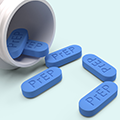
In a qualitative study supported by NIMH, researchers identified barriers and supports to Kenyan women’s use of PrEP, a highly effective medication to reduce HIV transmission.
- Women’s Experiences of Sexual Assault and Harassment Linked With High Blood Pressure
-
Women who had ever experienced sexual violence in their lifetime—including sexual assault and workplace sexual harassment—were more likely to develop high blood pressure over a seven-year follow-up period, according to an NIH-funded study.
- Assessing Suicide Risk Among Childbearing Women in the U.S. Before and After Giving Birth
-
NIMH-supported researchers investigated suicide risk among women in the year before and year after giving birth.
- Media Advisory: NIMH Experts Available to Discuss Mental Health Concerns Related to the Coronavirus (COVID-19) Pandemic
-
Experts from the National Institute of Mental Health (NIMH) are available to speak on a variety of topics related to mental health and the coronavirus pandemic, such as the effects of the pandemic and isolation on those with and without mental illnesses; healthy ways to deal with stress, anxiety, and loneliness; how to talk with children and teens about the coronavirus; and how people can find mental health help and support if they need it.
- Bench-to-Bedside: NIMH Research Leading to Brexanolone, First-Ever Drug Specifically for Postpartum Depression
-
FDA approval of the postpartum depression treatment brexanolone represents the final phase of a bench-to-bedside journey for this drug — a journey that began in the NIMH Intramural Research Program. NIMH experts are available to provide information on postpartum depression and the importance of, and the science underlying, this new drug.
- Inflammation in Pregnant Moms Linked to Child’s Brain Development
-
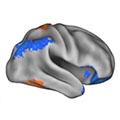
High levels of maternal inflammation during pregnancy have been linked to effects in children, including reduced brain circuit communications and altered long-distance brain wiring at birth, poorer cognitive function at one year – and to reduced impulse control and working memory at two years.
- Estrogen Alters Memory Circuit Function in Women with Gene Variant
-
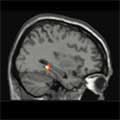
Brain scans reveal that fluctuations in estrogen can trigger atypical functioning in a key brain memory circuit in women with a common version of a gene. Since working memory function is often disturbed in mental disorders, such gene-hormone interactions are suspect mechanisms that may confer risk.
- Higher Death Rate Among Youth with First Episode Psychosis
-
A new study shows that young people with first episode psychosis have a much higher death rate than previously thought. Researchers looked at people aged 16-30 and found that the group died at a rate at least 24 times greater than the same age group in the general population.
- Sex Hormone–Sensitive Gene Complex Linked to Premenstrual Mood Disorder
-
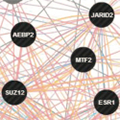
Researchers have discovered molecular mechanisms that may underlie a woman’s susceptibility to disabling irritability, sadness, and anxiety in the days leading up to her menstrual period.
- Adding Better Mental Health Care to Primary Care
-
Medicare’s new policy supports Collaborative Care and could improve the lives of millions of people with behavioral health conditions.